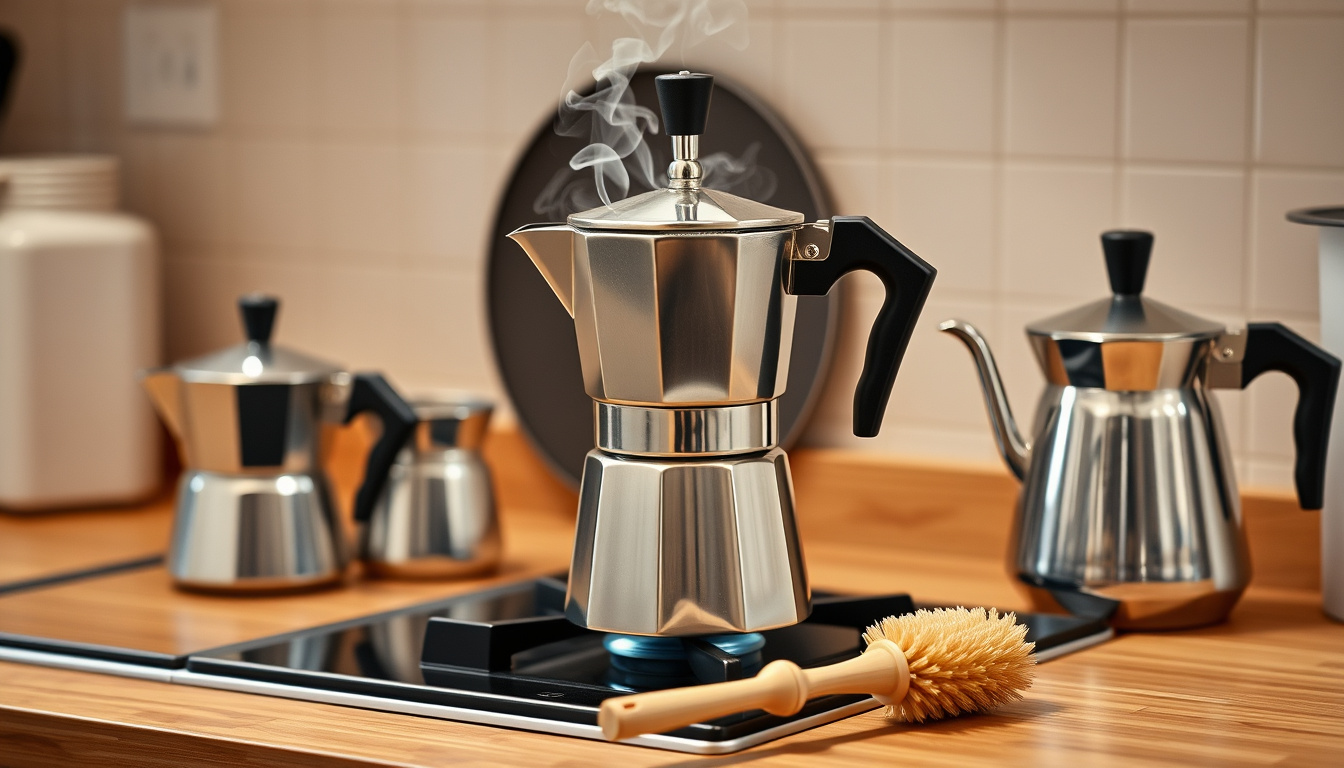

The Bialetti Moka Pot has graced countless kitchens since its invention in 1933, becoming synonymous with stovetop coffee making across the globe. This octagonal aluminum brewer delivers rich, aromatic coffee without electricity, relying on simple steam pressure to produce results that capture the essence of Italian coffee culture. Understanding how to properly use, maintain, and select the right Bialetti Moka Pot ensures the best possible experience with this timeless device.
Whether brewing for one or preparing coffee for a gathering, the Moka Pot remains a reliable choice for those seeking quality without complexity. The following guide covers essential techniques, practical considerations, and background information to help users make informed decisions about this iconic coffee maker.
How Do You Use a Bialetti Moka Pot?
Mastering the Bialetti Moka Pot involves understanding a few critical steps that directly impact flavor and extraction quality. Each stage from water preparation to the final pour contributes to the overall result.
Italian stovetop espresso maker since 1933
Aluminum, available in 1-18 cup sizes
Medium-fine, no electricity needed
Rich, crema-like coffee at home
Water Preparation
Pre-boiling water using a kettle before adding it to the Moka Pot helps prevent overheating and burnt flavors during the brewing process. Alternatively, using hot water at a medium temperature prevents the coffee from burning or over-extracting. Water that’s too hot initially can ruin the extraction, while cold water causes vapors to clump the coffee grounds unevenly.
Grind Size Matters
A medium-fine grind is essential for proper extraction with the Bialetti Moka Pot. The grind should feel gritty when rubbed between fingers, not powdery. Avoid using espresso grinds from electric machines, as these may be too fine and block the Moka Pot. If the grind is too coarse, the coffee won’t extract enough flavor; if too fine, water won’t pass through properly, leading to excessive pressure and bitterness.
The Brewing Process
Fill the bottom chamber with pre-boiled water until it reaches just below the safety valve, being careful not to overfill. The air space between the water and coffee filter is what heats and forces water upward through the coffee bed. Loosely fill the filter basket with ground coffee, using approximately 16-18 grams for a 1-cup size. Level gently without compacting or tamping down, and remove any grounds around the edges to ensure proper water distribution.
Insert the filter basket into the bottom chamber and screw the top chamber onto the base firmly, ensuring a tight seal. Place the assembled Moka Pot on the stovetop over low to medium heat with the lid of the top chamber open. After a few minutes, brewed coffee rises into the top chamber, accompanied by a gurgling or hissing sound. Remove immediately from heat to prevent over-extraction and bitterness, then let the coffee rest for about 30 seconds before pouring to help flavors settle.
Start with medium heat and adjust based on brewing speed. High heat causes coffee to flow too quickly, resulting in incomplete extraction and a burnt taste. For induction cooktops, low to medium heat is especially important as they heat quickly and retain heat efficiently.
- Use hot or pre-boiled water rather than cold to speed up brew time
- Never compact or tamp the coffee grounds in the filter basket
- Keep the lid open during brewing to monitor the extraction
- Remove from heat immediately when you hear the gurgling sound
- Warm your cup or mug before pouring for hotter coffee that stays warm longer
- Ensure the filter rim is free of grounds for a proper seal
| Feature | Details |
|---|---|
| Inventor | Alfonso Bialetti |
| Material | Octagonal aluminum construction |
| Available Sizes | 1 to 18 cups |
| Heat Source | Stovetop (gas, electric, or induction with adapter) |
| Optimal Grind | Medium-fine, slightly coarser than table salt |
| Recommended Coffee | Pre-ground coffee specifically labeled for Moka Pots or drip coffee |
Which Bialetti Moka Pot Size Should I Buy?
Selecting the appropriate Bialetti Moka Pot size depends primarily on daily consumption habits and household needs. The manufacturer offers sizes ranging from 1-cup personal brewers to 18-cup models designed for larger gatherings.
Size Recommendations by Use Case
For individuals or couples who enjoy one or two cups daily, a 1-cup or 3-cup Moka Pot provides sufficient capacity without waste. These smaller sizes heat more quickly and offer better control over freshness. Families or those who entertain frequently might consider 6-cup or 9-cup options, which balance capacity with manageable brewing times.
Cup measurements on Moka Pots refer to espresso-style servings, not standard American coffee mug volumes. A 3-cup Moka Pot typically produces approximately 6-8 ounces of coffee concentrate, which may be diluted or served in smaller cups.
Bialetti remains the most recognized and widely available brand for Moka Pots, with authorized distributors and replacement parts accessible through their official website. While competing brands exist, Bialetti’s established reputation, consistent manufacturing quality, and comprehensive distribution network make them a reliable choice for most buyers.
How Do You Clean a Bialetti Moka Pot?
Regular cleaning directly affects both the longevity of the Moka Pot and the quality of coffee it produces. Old coffee grounds trapped in the filter basket and chambers introduce bitterness and stale flavors to subsequent brews.
After Each Use
Allow the Moka Pot to cool completely before handling. Disassemble the three main components and discard spent grounds from the filter basket. Rinse all removable parts with warm water, using a soft brush to remove residue from the filter basket and internal components. Avoid using dish soap on aluminum models, as detergents can leave residues that affect flavor. Dry all parts thoroughly before reassembling.
Deep Cleaning Periodicity
Periodic deep cleaning becomes necessary when residue buildup becomes visible or flavor quality declines despite regular maintenance. A mixture of equal parts water and white vinegar run through a brewing cycle can help dissolve mineral deposits and oils. Alternatively, baking soda dissolved in warm water serves as a gentle abrasive for stubborn residue.
Do not touch or attempt to clean the safety valve, as it is essential for safe pressure regulation during brewing. The valve should be inspected periodically by a qualified professional, not cleaned with objects that could damage its precise calibration.
With proper care and cleaning, a Bialetti Moka Pot can provide years of reliable service. Replacement parts including gaskets and filters are available from authorized dealers. How often you replace the Moka Pot depends largely on usage frequency and maintenance consistency rather than a fixed timeline.
What Is the History of the Bialetti Moka Pot?
The Bialetti Moka Pot emerged from the creative efforts of Alfonso Bialetti, an Italian engineer who invented this distinctive stovetop brewer in 1933. The design drew inspiration from earlier percolation principles but introduced a pressure-based system that more effectively extracted flavors from coffee grounds.
The Post-War Boom
Following World War II, the Bialetti company experienced significant growth as the Moka Pot became a household staple across Italy. The brewer’s affordability, durability, and simplicity resonated with post-war consumers seeking quality coffee without expensive equipment. By the 1950s, the Moka Pot had become as ubiquitous in Italian homes as pasta-making equipment.
Modern Innovations
The introduction of the Brikka model represented a notable evolution, incorporating a pressure valve that produces a thicker, crema-topped coffee reminiscent of espresso. This innovation addressed one of the traditional limitations of standard Moka Pots while maintaining the core simplicity that made the original design successful. For those interested in exploring more about coastal areas, you can find a comprehensive Port Beach guide.
The octagonal shape of the classic Bialetti Moka Pot is not merely decorative. The geometry promotes more even heat distribution across the bottom chamber, contributing to consistent extraction results.
Today, the Bialetti name remains synonymous with stovetop coffee making worldwide. The company continues manufacturing various models while maintaining the core design principles that made the original so successful.
Key Milestones in Bialetti History
- 1933 – Alfonso Bialetti invents the first Moka Pot, introducing a new method of stovetop coffee brewing
- 1946 – Post-war production increases as demand surges across Italy and international markets
- Modern Era – Introduction of the Brikka model with crema valve technology expands capabilities
Established Facts vs. Common Misconceptions
| What Is True | What Remains Unclear |
|---|---|
| The Bialetti Moka Pot produces strong, concentrated coffee but does not create true espresso, which requires higher pressure than the Moka Pot generates. | Specific longevity data varies significantly based on usage patterns and maintenance quality rather than manufacturing standards. |
| The Moka Pot requires a medium-fine grind, not the fine powder used in electric espresso machines, to function properly and avoid bitterness. | Induction compatibility details for specific models remain unclear without consulting individual product specifications. |
| Pre-heating water and using low to medium heat produces better results than starting with cold water and high heat. | Replacement part availability and exact timelines for component wear vary by region and retailer. |
Understanding the Moka Pot’s Cultural Impact
The Bialetti Moka Pot represents more than a brewing device; it embodies a philosophy of accessible quality and Italian craftsmanship. Unlike complicated espresso machines requiring technical knowledge and expensive equipment, the Moka Pot democratizes strong coffee preparation for everyday use.
The cultural significance of this brewing method extends beyond Italy. Coffee enthusiasts worldwide have embraced the Moka Pot as a bridge between home brewing and café-quality results. According to the National Coffee Association, stovetop brewing methods continue to influence coffee culture across multiple continents, with the Moka Pot standing as a testament to efficient design.
For related reading on skincare essentials, explore our Laneige Lip Sleeping Mask Complete Guide for overnight lip care recommendations. Similarly, breastfeeding mothers may benefit from our Medela Breast Pump Complete Guide covering pump selection and usage.
What Coffee Works Best in a Bialetti Moka Pot?
The Moka Pot performs optimally with pre-ground coffee specifically marketed for stovetop brewers or drip coffee preparations. Freshly ground coffee works well when ground to the appropriate medium-fine consistency, though pre-ground options eliminate the need for additional equipment.
Coffee bean selection also influences the final result. Medium to dark roasts tend to complement the Moka Pot’s brewing method particularly well, offering a balanced flavor profile that withstands the higher extraction temperatures. For those interested in exploring various coffee origins and their characteristics, resources from the Specialty Coffee Association provide comprehensive guidance on bean selection and brewing parameters.
The Moka Pot requires a specific grind size that balances extraction efficiency with proper water flow. Too fine, and pressure builds dangerously; too coarse, and flavors remain locked in the grounds.
– Coffee brewing experts, Methodical Coffee
Summary: Getting the Most From Your Bialetti Moka Pot
The Bialetti Moka Pot delivers exceptional coffee when used correctly, emphasizing proper water temperature, appropriate grind size, and attentive brewing. Selecting the right size for your needs, maintaining clean components, and understanding its limitations versus true espresso machines ensures satisfying results. This iconic Italian invention continues to prove that quality coffee preparation need not require complexity or electricity, making it a valuable addition to any kitchen.
Frequently Asked Questions
Can you use a Bialetti Moka Pot on induction cooktops?
Standard aluminum Bialetti Moka Pots work with induction cooktops only when used with an induction interface disk, as aluminum is not naturally magnetic. Some newer models come with induction-compatible bases. Low to medium heat settings are especially important when using induction, as these cooktops heat quickly.
What kind of coffee do you use in a Bialetti Moka Pot?
Use pre-ground coffee labeled for Moka Pots or drip coffee, ground to a medium-fine consistency. Avoid espresso-fine grinds from electric machines, as these may be too fine and cause blockages or excessive pressure.
How long does a Bialetti Moka Pot last?
With proper cleaning and maintenance, a Bialetti Moka Pot can last many years. Longevity depends on usage frequency, maintenance consistency, and regular replacement of wear components like gaskets and filters.
Why does my Moka Pot coffee taste bitter?
Bitter coffee typically results from using too fine a grind, applying excessive heat, or allowing coffee to sit in the pot after brewing. Pre-heating water and removing the pot from heat immediately when brewing completes helps prevent bitterness.
Is the coffee from a Moka Pot actually espresso?
While the Moka Pot produces strong, concentrated coffee, it does not create true espresso. True espresso requires approximately 9 bars of pressure, whereas the Moka Pot generates significantly less. Some models like the Brikka produce a thicker coffee with more crema, but still technically fall short of espresso pressure standards.
Should I tamp the coffee in a Moka Pot?
No, tamping or compacting coffee grounds in the filter basket is not recommended. The Moka Pot requires loose, leveled grounds to allow proper water flow and pressure regulation. Tamping can cause blockages and increase pressure dangerously.
How do I know when the Moka Pot is done brewing?
The brewing process is complete when you hear a gurgling or hissing sound and see coffee flowing into the top chamber. At this point, remove the pot from heat immediately. Waiting longer risks over-extraction and bitter flavor.
Related stories




Liam O'Brien covers Australian politics and public affairs for Southern Pulse.